Restoring historic or heritage art studios offers a unique blend of preservation, character, and practical functionality that modern spaces often struggle to replicate. These restorations carry significant appeal for both artists and their clientele, because a studio with history tells a story before a single piece of art is even created. The rustic charm of old brickwork, original wooden beams, aged stone floors, and antique window frames creates a warm, textured environment that inspires creativity. It also serves as a powerful marketing asset—clients are drawn to studios that feel authentic, soulful, and connected to a deeper artistic lineage. In an era where many creative spaces are sleek, minimalist, and virtually indistinguishable, the nostalgic atmosphere of a restored heritage studio stands out immediately.
Restoration Process
 The process of restoring such a studio, however, requires dedication and attention to detail. Often, these structures have weathered decades—if not centuries—of use, temperature shifts, and exposure to the elements. Renovators must balance the need to maintain historical integrity with the practicality of modern functionality. This means reinforcing structural elements while preserving original craftsmanship, repairing deteriorated surfaces without stripping away character, and reintegrating traditional materials that align with the building’s era. One essential component of restoration is upgrading the building envelope—particularly windows and doors—to ensure the space remains energy-efficient and comfortable year-round. Because historic studios often feature large, original wood-framed windows, proper sealing is crucial. Spring bronze weatherstripping, a time-tested and historically accurate solution, is frequently used to create a tight, durable seal without compromising the authenticity of the windows. Its flexibility, longevity, and ability to conform to irregular old frames make it a popular choice in heritage restorations.
Artist Fine Touches
Beyond weatherstripping, restoration often includes repairing or replacing plaster walls, refinishing original hardwood floors, restoring vintage light fixtures, and revitalizing the exterior façade to its former charm. Each effort helps preserve the space’s identity, but also enhances its functionality for today’s artists who rely on consistent lighting, temperature control, and durability. Every restored detail—whether a reclaimed barn door, a refurbished skylight, or hand-renovated brickwork—adds layers of visual and emotional richness that clients notice immediately.
Rustic Creativity
 The rustic nature of heritage art studios creates an environment that feels grounded and deeply human. Clients who step inside a restored studio often describe a sense of stepping into a living piece of history. This emotional connection can increase customer loyalty, attract new visitors, and elevate the perceived value of the work being created inside. Artists benefit as well: many find that working in a space filled with character and craftsmanship enhances their own inspiration and productivity.
Restoring a historic art studio is an investment not only in a building, but in atmosphere, identity, and long-term appeal. By preserving the architectural story while integrating thoughtful upgrades—including components like spring bronze weatherstripping—creators can craft a space that marries authenticity with comfort, drawing clients who appreciate both artistry and heritage.

 Of course, an unforgettable gallery opening isn’t just about the art; it’s also about hospitality. Food and drink play a surprisingly large role in shaping the mood of the evening. The right menu can enhance the event’s sophistication while giving guests a reason to stay longer and mingle. While many galleries serve elegant hors d’oeuvres, cheese boards, and wine, some have begun incorporating unique culinary touches to stand out. One unexpected but delightful option is breakfast sausage—served hot in creative, bite-sized presentations. For a morning or brunch showing,
 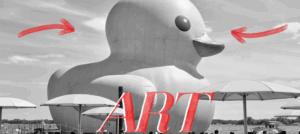 The key to a successful art gallery showing is connection—between artist and audience, between ambiance and artwork, and between people themselves. By combining stunning visuals, effective promotion, and thoughtful touches like hot breakfast sausage and curated refreshments, galleries across the country can transform an ordinary showing into a memorable, sensory-rich experience that turns admiration into genuine investment. When guests feel inspired, comfortable, and cared for, they’re far more likely to walk away not just moved by the art—but ready to take a piece of it
 The idea behind all forms of art is self-expression. Perhaps you are having a dark day where you are feeling kind of down and you choose to use paint or photographs to express yourself. This may mean that your photographs are black and white or other darkened colors. On other days, you may be feeling bold and colorful. The only way to achieve this is to search for ways to give your pictures the most color you can. Luckily, this is easy enough to do. Do you know how to take colorful photos of the things and the world around you?
 Water drops are fascinating. They combination of water being poured into a tub or anything is amazing to water. More so if you have a little food coloring, lighting, and oil mixed in. If you are able to capture it on film, you will have something that is truly one of a kind and depending on the colors that you are using; truly unique in every way. This works best if you have a large bowl or even a fish tank that you can pour colored water into. You may also want to color the water that in being held to give you even more of a contrast or use other techniques to change the way it will look.
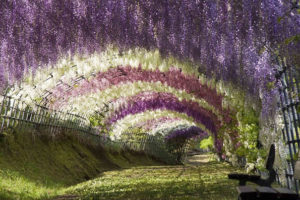 If you prefer to not set the stage for your colorful photography, you can always take a natural approach to it. A field of flowers, a beach scene, a sunrise or sunset, and any number of other things can be stunning when captured in a photograph. You will be making the most of nature’s beauty by attempting to capture these shots. The problem is, everything will be dependent on the natural lighting that nature provides you with as well and that beautiful moment may be gone before you can take another shot of it. This means that you may have to work at capturing the photo that will make it all worthwhile, but eventually you will get it the way that you want it.